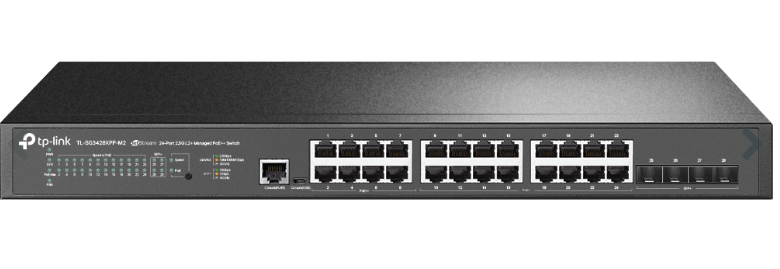
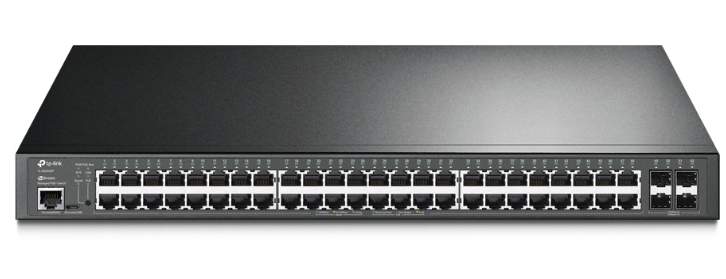


 IN
IN

In today's fast-paced digital environment, choosing the right networking interface is essential for achieving reliable performance, scalability, and cost efficiency. Two of the most widely used connectivity options are SFP (Small Form-factor Pluggable) and RJ45 Ethernet ports. While both serve the purpose of connecting network devices, they are designed for different applications and network requirements.
At JRS Global Technologies, we help businesses, data centers, and IT professionals select the right networking solutions to support their current operations and future growth. Understanding the differences between SFP and RJ45 can help you make a smarter infrastructure investment.
What is SFP?
SFP (Small Form-factor Pluggable) is a compact, hot-swappable transceiver used in switches, routers, and networking equipment. It supports both fiber optic and copper connections through interchangeable modules, providing exceptional flexibility and scalability.
SFP technology is commonly used in enterprise networks, data centers, and telecommunications environments where high-speed connectivity and long-distance transmission are critical.
Advantages of SFP
- Supports long-distance communication over fiber optic cables
- Offers high-speed connectivity, including 1G, 10G, and higher
- Provides flexibility through interchangeable transceiver modules
- Reduces electromagnetic interference compared to copper cabling
- Ideal for backbone networks and large-scale deployments
What is RJ45?
RJ45 is the standard connector used for Ethernet networking over copper cables such as Cat5e, Cat6, and Cat6A. It is one of the most common networking interfaces found in offices, homes, and commercial environments.
RJ45 connections are known for their simplicity, affordability, and ease of installation, making them a preferred choice for local area networks (LANs).
Advantages of RJ45
- Cost-effective networking solution
- Easy installation and maintenance
- Broad compatibility with network devices
- Suitable for office and home environments
- Supports Gigabit and 10 Gigabit Ethernet speeds
SFP vs RJ45: Key Differences
1. Transmission Distance
One of the most significant differences between SFP and RJ45 is transmission distance.
RJ45 Ethernet connections typically support cable runs of up to 100 meters. This distance is sufficient for most office and residential networks.
SFP, particularly when used with fiber optic transceivers, can support distances ranging from several hundred meters to tens of kilometers, making it ideal for large campuses, data centers, and inter-building connectivity.
2. Performance and Speed
Both technologies support high-speed networking. However, SFP solutions generally offer greater scalability for higher bandwidth requirements.
Organizations that require 10G, 25G, or higher-speed connections often rely on SFP-based infrastructure to support growing data demands and future network expansion.
3. Flexibility
SFP provides unmatched flexibility because users can swap transceiver modules based on network requirements. Whether you need short-range fiber, long-range fiber, or copper connectivity, the same SFP port can accommodate different modules.
RJ45 ports, on the other hand, are limited to Ethernet copper cabling.
4. Cost Considerations
RJ45 is typically more affordable due to lower equipment and cabling costs. For small businesses and standard office environments, RJ45 often delivers excellent value.
SFP deployments may require additional investment in transceivers and fiber optic infrastructure. However, for larger networks requiring scalability and long-distance communication, the long-term benefits often outweigh the initial costs.
When Should You Choose SFP?
SFP is the best choice when:
- Long-distance connectivity is required
- High-performance networking is a priority
- Building a data center or enterprise infrastructure
- Future scalability is important
- Fiber optic connectivity is preferred
When Should You Choose RJ45?
RJ45 is ideal when:
- Devices are located within 100 meters
- Budget is a primary concern
- Deploying small to medium-sized office networks
- Simplicity and ease of installation are important
- Existing infrastructure uses Ethernet cabling
Final Thoughts
The decision between SFP and RJ45 ultimately depends on your network's performance requirements, budget, and scalability goals. RJ45 remains a reliable and cost-effective option for everyday networking, while SFP offers superior flexibility, longer transmission distances, and greater scalability for enterprise environments.
At JRS Global Technologies, we understand that every network is unique. Our team helps organizations identify the most effective networking solutions, whether they require fiber optic infrastructure, high-speed connectivity, or cost-efficient Ethernet deployments. By selecting the right interface today, businesses can build a stronger, more reliable network for the future.

