

 IN
IN

Benefits of Managed Network Infrastructure
In today’s fast-moving digital landscape, businesses rely heavily on secure, stable, and high- performing network systems. Whether it is a small business or a growing enterprise, network downtime, cybersecurity threats, and poor connectivity can directly impact productivity and customer satisfaction. This is where managed network infrastructure becomes essential.
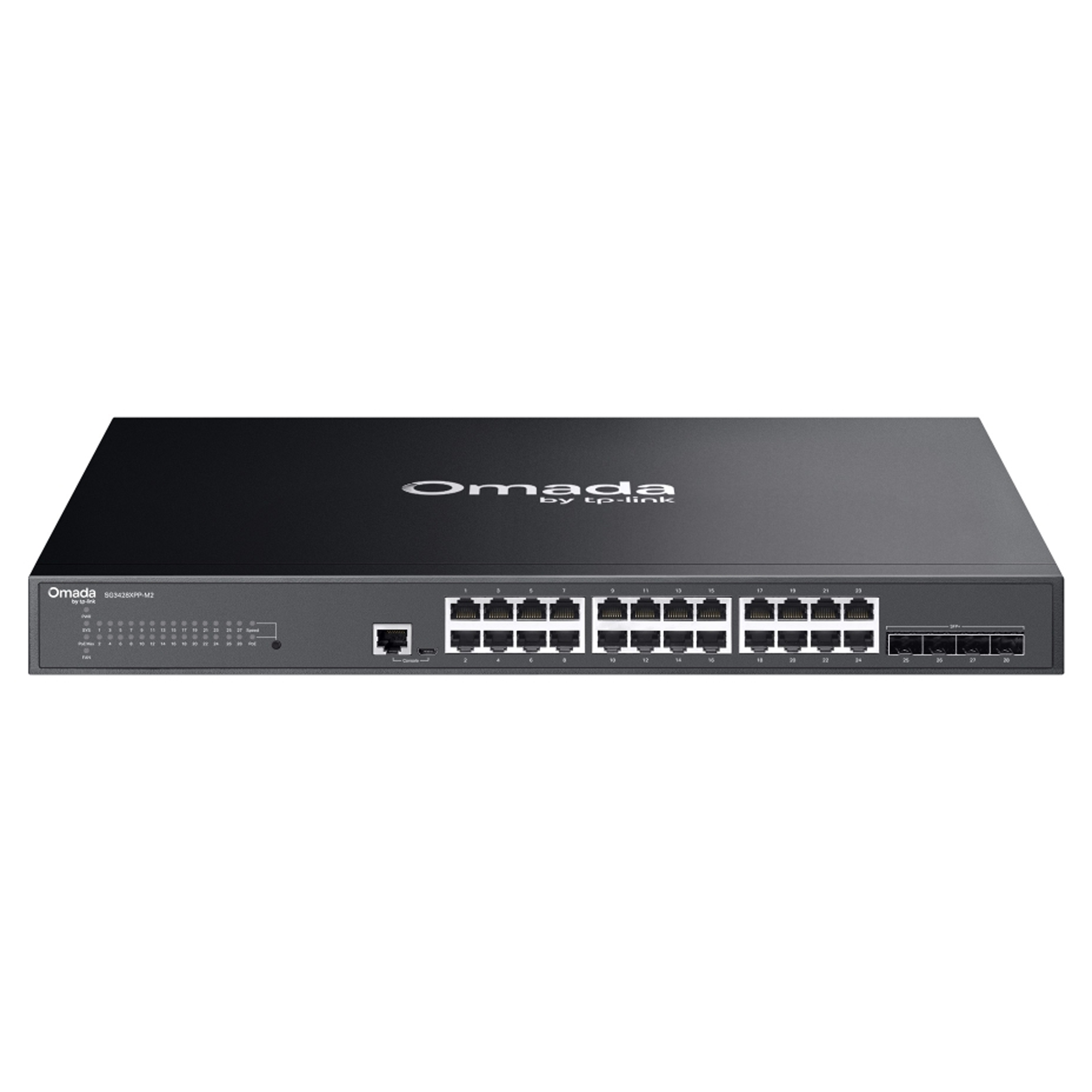
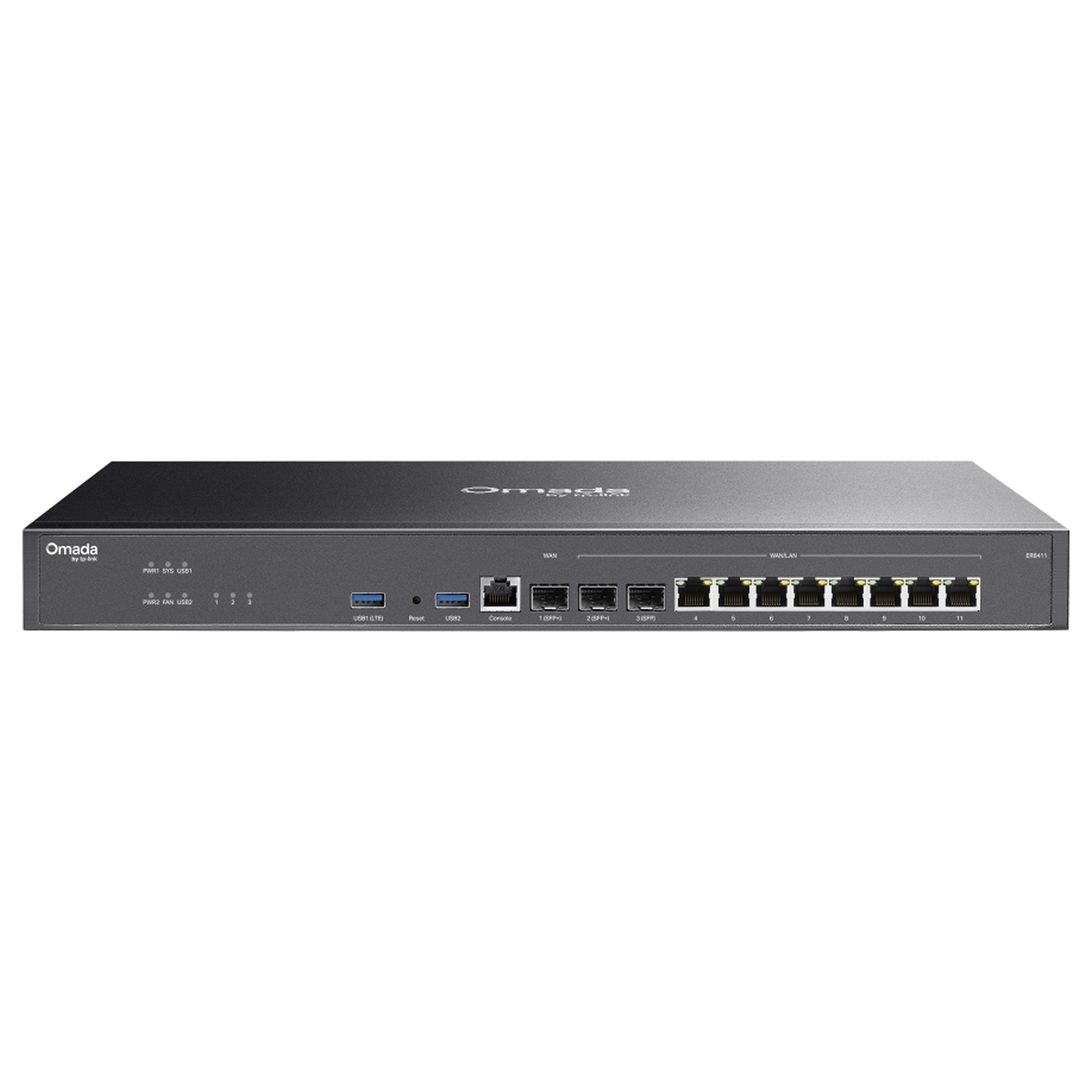
Managed Network Infrastructure refers to outsourcing the monitoring, maintenance, security, and optimization of a company’s network systems to experienced IT professionals. At JRS Global Technologies, businesses receive reliable and scalable network solutions designed to improve operational performance and security. Instead of handling complex network operations internally, businesses can depend on experts to ensure seamless connectivity and performance.
Improved Network Reliability with Managed Network Infrastructure
One of the biggest benefits of managed network infrastructure is improved reliability. Businesses today cannot afford frequent downtime or unstable network connections. Managed service providers continuously monitor network performance to identify and resolve issues before they become major problems.
With proactive maintenance and 24/7 monitoring, businesses experience fewer disruptions and improved operational efficiency. Reliable network systems also ensure smooth communication, uninterrupted access to cloud applications, and better collaboration among teams.
Enhanced Cybersecurity Protection Through Managed Network Infrastructure
Cybersecurity threats continue to evolve, making network security a top priority for businesses. Managed network infrastructure providers implement advanced security measures such as firewalls, intrusion detection systems, endpoint protection, and regular security updates.
By continuously monitoring for suspicious activities and vulnerabilities, managed service providers help protect sensitive business data from cyberattacks, malware, and unauthorized access. This level of security is especially important for businesses handling customer information, financial data, or confidential company records.
In addition, managed network solutions help businesses stay compliant with industry regulations and security standards, reducing the risk of legal and financial penalties.
Cost-Effective IT Management Solutions
Hiring and maintaining an in-house IT team can be expensive, especially for small and medium- sized businesses. Managed network infrastructure offers a cost-effective alternative by providing access to skilled IT experts without the overhead costs of full-time employees.
Businesses can reduce expenses related to hardware upgrades, software licensing, employee training, and emergency repairs. Most managed network services operate on predictable monthly pricing models, making budgeting easier and more transparent.
By minimizing downtime and preventing costly network failures, businesses can also avoid unexpected operational losses.
Access to the Latest Technology and IT Expertise
Technology is constantly evolving, and keeping up with the latest networking solutions can be challenging for internal teams. Managed network providers stay updated with the latest industry trends, tools, and best practices.
This gives businesses access to modern technologies such as cloud networking, advanced cybersecurity systems, network automation, and scalable infrastructure solutions. Businesses benefit from expert guidance and strategic recommendations tailored to their operational needs.
Having access to experienced IT professionals also ensures faster troubleshooting and more efficient network management.
Scalability and Business Growth Support
As businesses grow, their networking needs become more complex. Managed network infrastructure provides the flexibility to scale services based on business requirements.
Whether a company is expanding to multiple locations, adding remote employees, or increasing digital operations, managed network solutions can easily adapt to changing demands. This scalability helps businesses avoid the limitations of outdated infrastructure while supporting long-term growth.
Managed providers can also help businesses plan for future expansion by designing network systems that align with organizational goals.
Better Focus on Core Business Operations and Productivity
Managing network infrastructure internally can consume valuable time and resources. By outsourcing network management, businesses can focus on their core operations, customer service, and strategic growth initiatives.
Instead of dealing with technical issues, business owners and employees can concentrate on improving productivity and delivering better customer experiences. This leads to greater efficiency and allows companies to remain competitive in their industry.
Conclusion
Managed network infrastructure offers numerous advantages for businesses seeking reliable, secure, and scalable IT solutions. From enhanced cybersecurity and reduced downtime to cost savings and expert support, managed network services help organizations operate more efficiently in a technology-driven world.
As businesses continue to depend on digital systems and cloud-based operations, investing in managed network infrastructure is no longer optional; it is a strategic decision that supports long-term success, operational stability, and business growth.
For businesses looking to improve network performance, cybersecurity, and operational efficiency, partnering with a trusted provider like JRS Global Technologies Ltd can make a significant difference. With expert Managed Network Infrastructure solutions, businesses can achieve long-term stability, improved productivity, and sustainable growth.
FAQs
1. What is managed network infrastructure?
Managed network infrastructure is the outsourcing of network monitoring, maintenance, and security to IT experts.
2. Why is managed network infrastructure important?
It improves security, reliability, scalability, and reduces downtime for businesses.
3. How does managed network infrastructure reduce costs?
It eliminates the need for large in-house IT teams and prevents costly network failures.

