

 IN
IN

A fast, secure, and reliable network is essential for every modern business. Whether you operate a small office, retail store, warehouse, educational institution, or enterprise, your network infrastructure plays a vital role in supporting daily operations. Devices such as computers, IP phones, wireless access points, security cameras, servers, and cloud-based applications all rely on a dependable network to communicate efficiently. At the center of this infrastructure is the network switch.
When purchasing a network switch, one of the most common questions businesses ask is whether they should invest in a managed switch or an unmanaged switch. While both devices connect multiple network-enabled devices within a Local Area Network (LAN), they differ significantly in terms of functionality, management, security, and scalability. Understanding these differences will help you choose the right solution for your business today while preparing for future growth.
Understanding the Role of Network Switches in Modern Business Networks
A network switch is more than just a device that connects computers. It serves as the communication hub for your business network, intelligently forwarding data between connected devices to improve speed and efficiency. Unlike older networking hubs that broadcast data to every connected device, Ethernet switches send information only to their intended destination. This reduces unnecessary traffic, improves network performance, and creates a more stable and efficient environment.
As businesses increasingly rely on cloud computing, Voice over IP (VoIP), video conferencing, surveillance systems, and wireless networking, selecting the appropriate switch has become an important investment rather than a simple hardware purchase. The right switch can improve productivity, strengthen security, and support business expansion without requiring a complete infrastructure upgrade.
What Is an Unmanaged Switch and How Does It Work?
An unmanaged switch is designed for simplicity. It is a plug-and-play networking device that requires no configuration or technical expertise. Once connected to power and Ethernet cables, it automatically detects connected devices and begins forwarding network traffic immediately.
Because unmanaged switches operate using factory-default settings, they are ideal for businesses with straightforward networking requirements. Small offices, home businesses, retail counters, or temporary workspaces often benefit from their affordability and ease of deployment. Installation takes only a few minutes, making them a practical option for organizations without dedicated IT staff.
However, the simplicity of unmanaged switches also limits their capabilities. They cannot prioritize network traffic, create virtual networks, monitor performance, or provide advanced security controls. As the number of connected devices grows, businesses may experience network congestion and reduced flexibility. For organizations expecting future expansion or handling business-critical applications, these limitations can become increasingly noticeable.
What Is a Managed Switch and Why Is It Important?
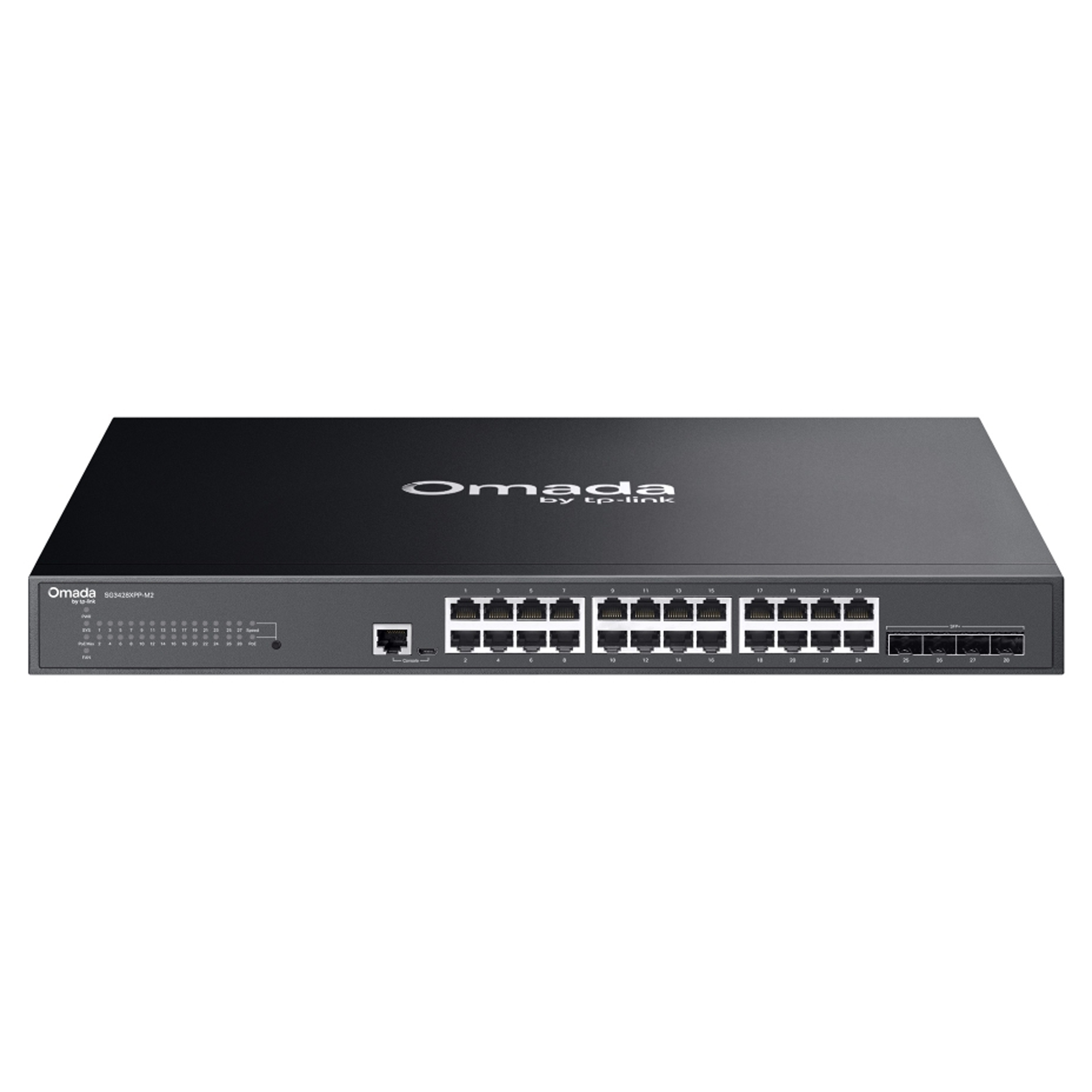
A managed switch provides administrators with complete visibility and control over the network. Unlike unmanaged models, managed switches allow businesses to configure network settings, monitor performance, improve security, and optimize data traffic through a web interface, command-line interface, or cloud-based management platform.
This level of control makes managed switches the preferred choice for organizations where network performance has a direct impact on productivity. Businesses using VoIP phone systems, wireless access points, cloud applications, surveillance cameras, and multiple departments benefit greatly from the advanced capabilities of managed networking.
One of the most valuable features of managed switches is Virtual Local Area Networks (VLANs). VLAN technology allows administrators to separate departments, guest Wi-Fi, surveillance cameras, and sensitive business systems into isolated network segments. This improves security, minimizes unnecessary traffic, and reduces the risk of unauthorized access.
Managed switches also support Quality of Service (QoS), enabling businesses to prioritize important applications such as video conferencing, voice communications, and cloud services. During periods of heavy network usage, critical business applications continue to perform smoothly while less important traffic receives lower priority.
In addition to enhanced security and performance, managed switches simplify troubleshooting by providing detailed traffic statistics, error logs, and remote monitoring capabilities. These tools allow IT teams to identify and resolve network issues quickly, reducing downtime and improving operational efficiency.
Managed vs. Unmanaged Switches: Understanding the Key Differences
Although managed and unmanaged switches perform the same fundamental task of connecting network devices, they are designed for different business requirements.
Unmanaged switches focus on simplicity and affordability. They are suitable for small networks that require basic connectivity without ongoing administration. Since they cannot be configured or monitored, businesses have limited visibility into network performance or security.
Managed switches, on the other hand, provide advanced management features that improve network reliability, efficiency, and scalability. Businesses can configure security policies, prioritize traffic, monitor bandwidth usage, and remotely manage multiple switches from a centralized platform. These capabilities become increasingly valuable as organizations expand and adopt new technologies.
For growing businesses, managed switches represent a long-term investment that supports future expansion without requiring major infrastructure changes.
Which Type of Network Switch Is Best for Your Business?
Choosing between a managed and unmanaged switch primarily depends on the size of your organization, the complexity of your network, and your long-term business objectives.
If your business operates with only a few computers, printers, and internet-connected devices, an unmanaged switch offers a cost-effective solution that requires virtually no maintenance.Small offices or startups with basic networking needs often find unmanaged switches sufficient for daily operations.
However, businesses planning to expand should carefully consider investing in managed switches from the beginning. Organizations that rely on cloud computing, remote collaboration, security cameras, wireless access points, or multiple office departments require greater control over network traffic and security. A managed switch not only improves network performance but also provides the flexibility needed to accommodate future growth.
Although managed switches typically have a higher initial cost, they often deliver greater long-term value by reducing downtime, simplifying network management, and improving cybersecurity.
Why Canadian Businesses Are Choosing Managed Switches
Businesses across Canada are embracing digital transformation at an unprecedented pace. Hybrid work environments, cloud-based software, online collaboration, and connected devices have significantly increased network demands.
As organizations continue to modernize their IT infrastructure, managed switches have become the preferred choice because they provide the performance, reliability, and security required for today's business environment. Features such as centralized management, VLAN segmentation, Quality of Service, and remote monitoring allow businesses to maintain efficient operations while protecting sensitive data.
Whether operating a retail chain, healthcare facility, educational institution, warehouse, manufacturing plant, or corporate office, Canadian businesses increasingly recognize that investing in advanced networking infrastructure supports long-term productivity and business continuity.
Choosing the Right Network Switch with JRS Global Technologies
Selecting the right networking equipment is about more than comparing technical specifications. It requires understanding your business objectives, operational requirements, and future expansion plans.
At JRS Global Technologies, we help businesses across Canada build secure, scalable, and high-performance networks by offering networking solutions from globally recognized manufacturers, including TP-Link Omada, MikroTik, Grandstream, Cambium Networks, and other trusted brands. Our extensive product portfolio includes managed switches, unmanaged switches, PoE switches, enterprise networking equipment, wireless access points, routers, and networking accessories designed to support businesses of every size.
Whether you are upgrading an existing office network or deploying an entirely new infrastructure, our experienced team can recommend networking solutions tailored to your organization's specific requirements. By selecting the right switch today, businesses can improve operational efficiency, strengthen cybersecurity, and create a reliable network foundation that supports future growth.
Frequently Asked Questions
Is a managed switch better than an unmanaged switch?
A managed switch offers greater control, enhanced security, traffic prioritization, and better scalability than an unmanaged switch. It is generally the preferred choice for businesses that rely on stable, secure, and high-performing networks.
Can a small business benefit from a managed switch?
Yes. Small businesses planning future growth, using cloud applications, or operating IP phones and security cameras can benefit significantly from the advanced features and flexibility offered by managed switches.
Are managed switches more secure?
Managed switches provide advanced security features such as VLANs, access control policies, port security, and traffic monitoring, making them considerably more secure than unmanaged switches.
When should you upgrade from an unmanaged switch?
If your network experiences slow performance, supports multiple departments, or requires better security and traffic management, upgrading to a managed switch is a practical long-term investment.

